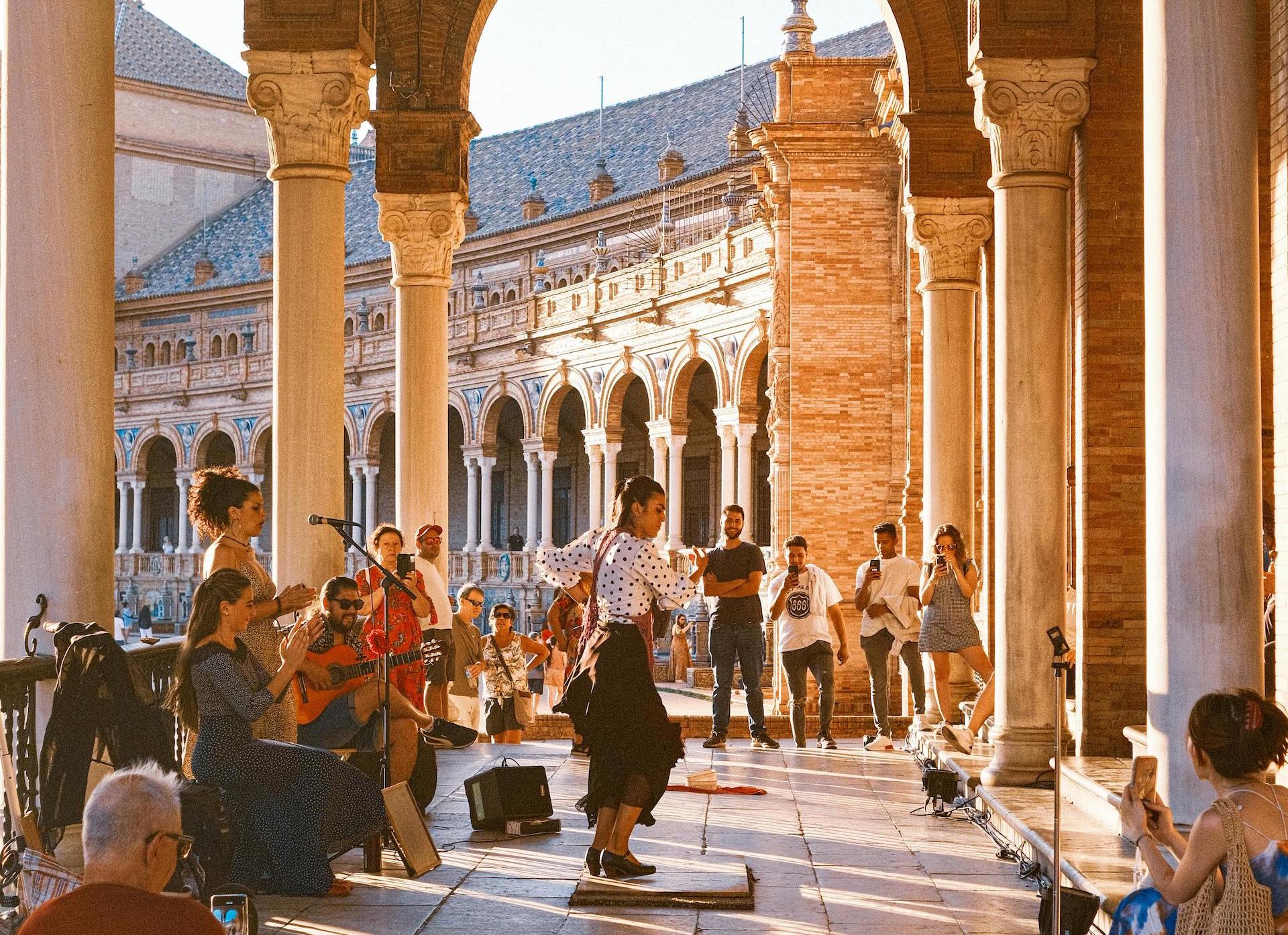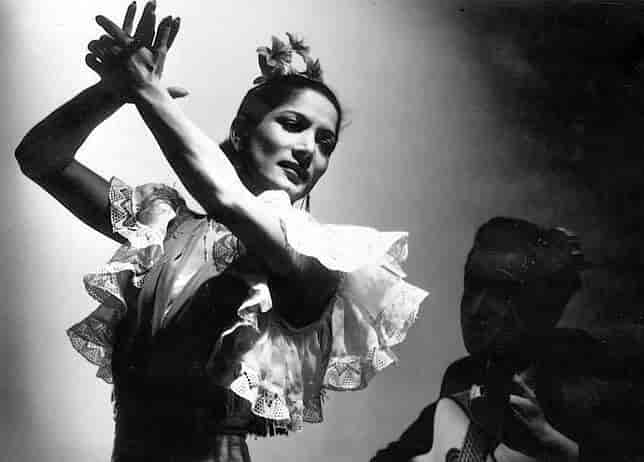

Palmas is the fastest way to find out if you’re in flamenco, or just nearby making noise.
No one warns you properly. They tell you about shoes, about skirts, about posture and pain and pride. They don’t tell you about that moment in a room, late, plastic chairs dragged into a loose circle, when the clapping starts and your hands suddenly feel like they belong to a different person. Too loud. Too early. Too eager. Wrong.
You think clapping is neutral. It isn’t. Palmas is an opinion.
The first time I really understood this was not in a class. It was in a kitchen, after midnight, when the music wasn’t being “performed” at all. Someone tapped the table. Someone else breathed in sharply, like a signal. Hands joined. Mine followed, because of course they did. And within about four seconds I knew I had made a mistake. Not because anyone stopped me. Worse. Because no one looked at me at all.
That’s the terror. Not correction. Disappearance.
Here’s the thing no glossary quite gets across: palmas is not about keeping time. It’s about keeping the centre of gravity where everyone else expects it to be. Compás is a living thing in the room. You don’t count it so much as lean into it.
If you’re new, you listen first. Not to the clapping. To the feet. To the guitar when it breathes between phrases. To the singer when they hesitate, when the line stretches and time bends for a second. Palmas supports that. It doesn’t lead. It doesn’t decorate. It holds.
There are rules, but they’re social, not written.
One: you don’t jump in immediately. You wait. Even if you’re sure. Especially if you’re sure.
Two: if you lose it, you stop. Quietly. No apology, no grimacing, no dramatic fade-out. You just vanish back into stillness and find it again with your ears.
Three: louder is almost never better. Palmas claras have clarity, not force. Palmas sordas are felt more than heard. Both have a place, and it’s not where you think when you’re nervous.
In classes, people want patterns. Give me the twelve. Give me the accents. That comes later. In real rooms, the first skill is restraint.
I used to practice clapping at home, alone, which is both useful and faintly ridiculous. What helped wasn’t counting. It was walking. Walking the compás while clapping softly, so my body understood where the weight fell. Another drill was cruel but effective: clapping along to recordings, then stopping my hands and keeping the rhythm internally for a full verse before joining again. If you come back in clean, you’re learning. If you don’t, you learn something else.
The worst habit is filling silence. Flamenco needs air. Palmas respects that. There are moments when the bravest thing you can do is nothing at all.
The first time it locked in for me, properly, no fireworks. No one nodded. No one smiled. But I felt it. The clapping wasn’t coming from my hands anymore. It was already there and I had just found the right place to land.
That’s when you know you’re not just making noise.
You’re inside the music.